Chia Seeds: Small Seed, Big Benefits
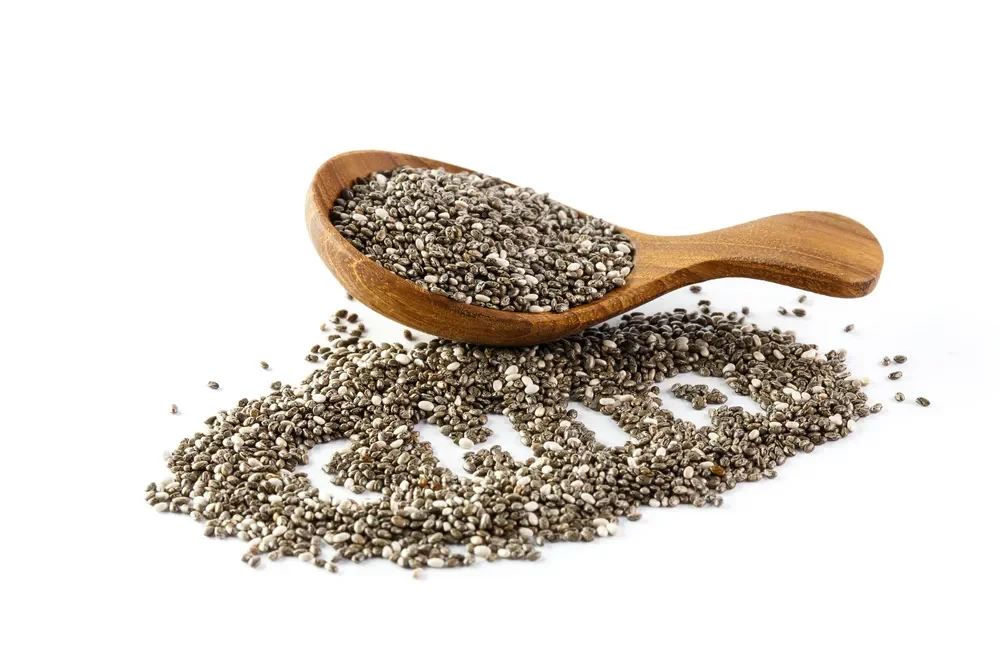
Tiny, unassuming and incredibly versatile, chia seeds have been used as a source of nourishment for centuries. Originally cultivated in Mexico and Central America, chia was highly valued by the Aztecs and Mayans for its nutritional properties and as a source of energy and endurance.
In fact, the word chia is thought to mean strength in the Mayan language.
Chia was sometimes referred to as “runners’ food”, as the seeds could be carried easily and consumed as a compact source of nourishment during long-distance running, travelling and battles.
And while we may no longer be running messages between ancient cities, chia seeds still have plenty to offer.
Why are chia seeds so good for you?
Chia seeds are particularly impressive because they pack a lot of nutrition into such a tiny seed.
Chia is an excellent plant source of alpha-linolenic acid (ALA), an essential omega-3 fatty acid.
Omega-3 fats are important for cardiovascular health and normal brain function. ALA can also be converted in the body to the longer-chain omega-3 fats EPA and DHA, although this conversion is relatively limited.
High in fibre
Chia seeds are packed with fibre, which helps support a healthy digestive system and regular bowel movements.
Because chia absorbs water and forms a gel, it can also slow the digestion and absorption of carbohydrates when eaten as part of a meal, which may help moderate the rise in blood glucose.
And that ability to absorb water is one of the reasons chia can be so filling.
A useful source of plant protein
Chia contains a good amount of plant protein and provides a range of minerals, including calcium, magnesium, phosphorus and manganese.
It also contains a variety of antioxidant compounds that help protect the plant — and contribute to its nutritional value.
Great for fullness
Chia seeds can absorb many times their weight in liquid, creating a thick gel.
This can increase the volume and texture of foods while helping you feel fuller for longer.
That's particularly useful when you're looking to create satisfying meals and snacks without relying on highly processed ingredients.
Do you need to soak chia seeds?
Soaking chia seeds can make them easier to incorporate into foods and drinks. As they absorb liquid, they form a gel that not only gives them their characteristic texture but also makes a useful natural binder in baking, particularly as an egg alternative in some recipes.
While some heat-sensitive nutrients, including a proportion of the omega-3 fats, may be reduced during prolonged or high-temperature cooking, baked chia still provides plenty of nutritional value.
One important point to note: Soaking or grinding chia seeds can make some nutrients more bioavailable. So if you're particularly interested in preserving chia's ALA omega-3, using soaked or freshly ground chia seeds in foods such as yoghurt, smoothies or overnight oats is a good complement to using it in baked recipes.
Three delicious ways to use chia
Here are two of my favourite simple ways to use it.
Berry Chia Jam
A quick homemade jam is one of my favourite ways to use chia. You get the sweetness and flavour of real berries, with chia providing the thickening power — no need for lots of added sugar or commercial setting agents.
Ingredients
- 250 g fresh or frozen berries
- 1–2 tbsp filtered water
- 1½ tbsp chia seeds, preferably freshly ground
- 1 tbsp raw honey, or to taste
- A squeeze of fresh lemon juice
Method
Place the berries and water in a small saucepan and gently cook for a few minutes until the fruit softens.
Mash or blend the berries to your preferred consistency, then stir in the chia seeds, honey and lemon juice.
Transfer to a clean glass jar and leave in the fridge for at least 30 minutes. The chia will absorb the liquid and naturally thicken the jam.
Use it on toast, spoon it over yoghurt or swirl it through porridge.
Tip: If your berries are naturally sweet, you may find you need very little honey — or none at all.
Green Kefir Smoothie (serves 2)
Ingredients
- 250 ml organic milk kefir or yoghurt
- 1 scoop unflavoured protein powder
- 1 ripe banana
- 150 g fresh or frozen pineapple
- 1 tbsp chia seeds
- 1 tbsp green powder
- 1 tsp raw honey, or to taste
- A handful of ice
Method
Pour the kefir into a blender and stir in the chia seeds. Leave for around 15–20 minutes so the seeds have time to soften and swell.
Add the remaining ingredients and blend until completely smooth and creamy.
The chia gives this smoothie a wonderfully thick texture — almost more like a double thick milkshake!
My tip: If it's too thick, simply add a little more kefir or water until you reach the consistency you like.
Blueberry Chia Pudding (serves 2)
This is a wonderfully simple breakfast or snack that takes just a few minutes to prepare. The chia seeds swell overnight to create a thick, creamy pudding, while the berries provide natural sweetness and plenty of flavour.
Ingredients
- 150 g blueberries, fresh or frozen
- 200 g organic natural Greek yoghurt or Skyr
- 100 ml unsweetened plant or dairy milk
- 1 tbsp chia seeds
- 1 tbsp raw honey or pure maple syrup
- 1 tsp fresh lemon juice
- ½ tsp vanilla extract
- Small pinch of sea salt
Method
Place the blueberries, yoghurt, milk, lemon juice, honey, vanilla and salt into a blender and blend until smooth and creamy.
Add the chia seeds to the blender and pulse or blend for a few seconds so all the seeds are incorporated.
Divide between two small jars or bowls, cover and place in the fridge for at least 2–3 hours, preferably overnight.
The chia seeds will absorb the liquid and transform the mixture into a thick, creamy pudding.
Serve chilled with your choice of toppings. Fresh berries, chopped nuts, seeds, coconut or a spoonful of nut butter all work beautifully.
Make ahead: This pudding is a useful breakfast to prepare in advance for busy mornings. Or can be a great post sport snack.
Small seed, big potential
I love ingredients like chia because they are incredibly simple.
Just a tiny seed that provides fibre, plant protein, healthy fats and a range of micronutrients — and can be added to everything from smoothies and yoghurt to homemade jam.
Sometimes the simplest ingredients really are the most useful.
Frequently Asked Questions
What are the main health benefits of chia seeds?
Chia seeds are particularly rich in fibre and provide plant-based omega-3 ALA, protein, minerals and antioxidant compounds. Their high fibre content can support digestive health and may help moderate the absorption of carbohydrates when eaten as part of a meal.
Do chia seeds need to be soaked?
No, they can be freshly ground to access their powerful nutrients. Chia seeds can be eaten whole, but soaking them allows them to absorb liquid and form a gel, which can make them easier to incorporate into foods and may be more comfortable for some people to digest.
Can chia seeds help with blood sugar balance?
They can be a useful addition to a blood-sugar-conscious diet because they are high in fibre and relatively low in digestible carbohydrate. Their fibre can slow digestion and carbohydrate absorption, potentially reducing the speed of the blood glucose rise after a meal.
Can chia seeds help with weight loss?
Chia isn't a weight-loss food in isolation, but its high fibre content and ability to absorb liquid can contribute to fullness and satiety. Including chia in a balanced diet may therefore help create more satisfying meals and snacks.
How much chia seed should I eat?
There isn't one “correct” amount, but around 1–2 tablespoons a day is a practical serving for many people. If you're not used to eating much fibre, start with a smaller amount and increase gradually. Always make sure you consume adequate fluid, particularly when eating chia in its dry form.
Get healthy eating tips, straight to your inbox
Occasional recipes, updates and offers. Unsubscribe anytime.