You don’t have to give up meat — you just have to cook plants properly
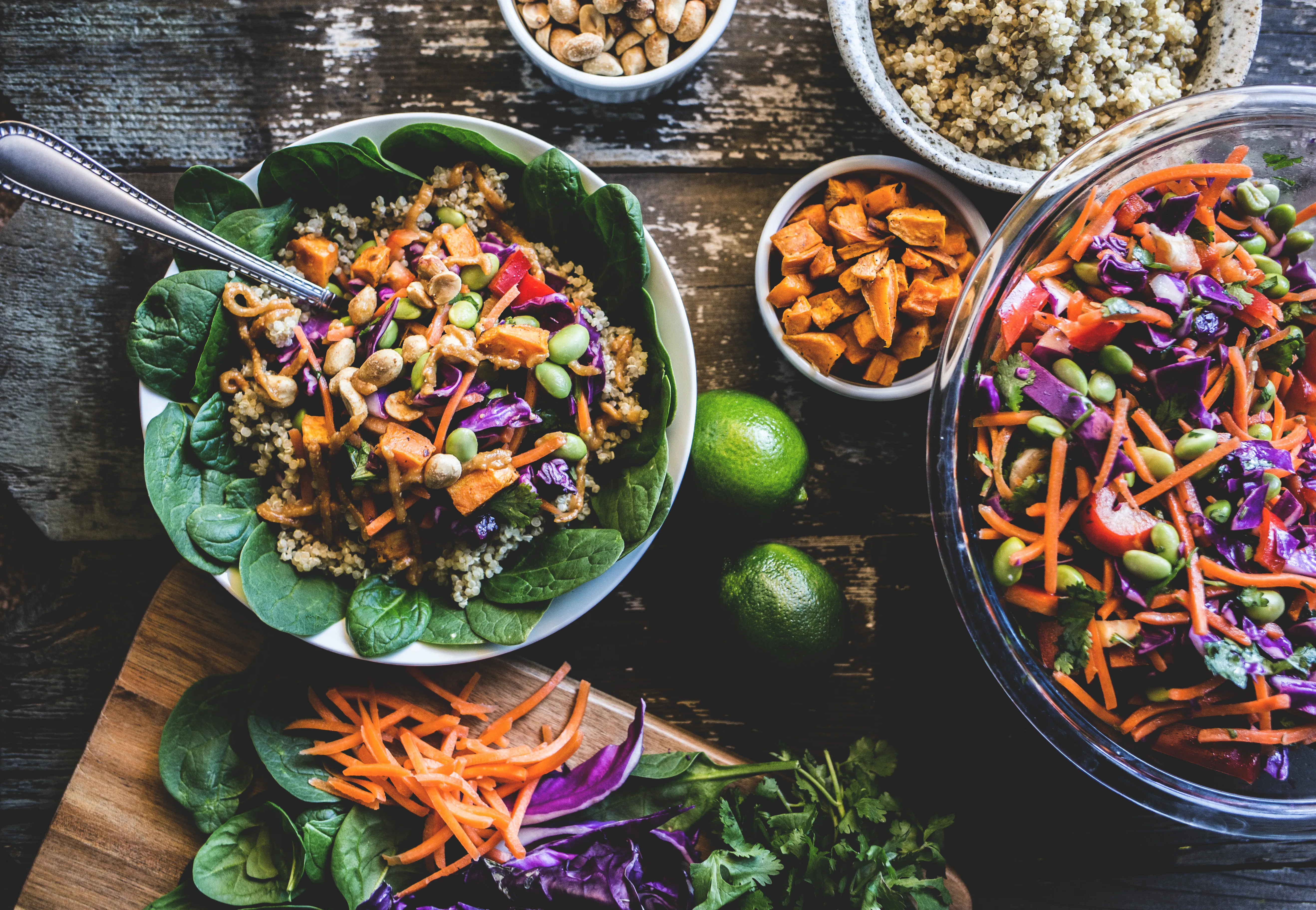
We are living in a world where our food choices have become increasingly complicated. We are surrounded by dietary labels, competing nutritional advice and a growing range of meat-free and plant-based products.
But perhaps we are making this more complicated than it needs to be.
One of the simplest things we can do is eat more plants.
That doesn’t necessarily mean becoming vegetarian or vegan. It doesn’t mean giving up meat, either.
It simply means making vegetables and other plant foods a much more important part of the meals we already enjoy.
And this is where good cooking comes in.
The problem isn’t necessarily that people don’t like vegetables. It is often that they have never experienced just how delicious they can be when they are properly prepared.
Make plants the star of the show
When we cook a traditional meal, meat or fish is often considered the main event, while vegetables are treated as an accompaniment.
A piece of meat is carefully seasoned, cooked and presented, while the vegetables might be boiled, steamed and added almost as an afterthought.
Why?
Vegetables deserve the same attention.
If we want people to eat more plants, we need to make them delicious, interesting and satisfying.
There is no need to announce to someone that they are eating a plant-based meal when you serve them. Rather make something so delicious that they don’t even think about what category of food it belongs to.
The food should speak for itself.
You don’t have to give up meat
There is no need to swing from one extreme to another.
If you enjoy eating meat, choose good-quality meat and enjoy it. Think about where it comes from and how it has been produced. Paying a little more for better-quality meat can also naturally encourage us to eat less of it.
But alongside this, start giving plants a much bigger role.
Instead of asking, “What can I replace the meat with?”, ask:
“What delicious meal can I create around these vegetables?”
That is a very different way of thinking.
Don’t create a meat substitute. Create a great meal.
One of the biggest mistakes when people start eating more plants is trying to recreate the meal they normally eat.
They take the traditional plate of meat, potatoes and vegetables and simply remove the meat.
Or they buy a manufactured plant-based burger or sausage and serve it in exactly the same way.
But why?
Plants offer an enormous range of flavours, colours, textures and possibilities. They don’t need to imitate meat to make a satisfying meal.
If you genuinely want a burger, eat a good-quality burger.
If you want a delicious meal made predominantly from plants, cook something that was designed to be delicious in its own right.
I don’t believe highly processed plant-based meat substitutes need to have a place in a healthy, food-first diet. The answer to eating more plants isn’t to replace real food with a manufactured imitation.
It is to become better at cooking the real ingredients.
Give plant proteins some personality
Plant proteins are often given very little culinary attention.
Take tofu, for example.
A plain slab of tofu, simply pan-fried with a little seasoning, is unlikely to excite many people. It can be bland and soft, and this is hardly surprising when it has been given so little opportunity to develop flavour.
But tofu is an incredible blank canvas.
I would start by steeping it in a strongly flavoured liquid. Ginger, garlic, chilli, herbs, citrus, spices or fermented ingredients can all create a wonderful background flavour.
Then think about colour.
Beetroot, spinach, turmeric and other natural ingredients can transform a pale block of tofu into something vibrant and visually appealing.
Then think about texture.
Roast it. Grill it. Crisp it. Crumble it.
I might take tofu through several stages of preparation, building flavour and texture at each stage.
Imagine the difference between a cream-coloured slab of tofu beside plain brown rice and a vibrant golden piece of tofu served with deep-red beetroot, gloriously green broccoli and a generous spoonful of kimchi.
Now we’re talking.
Vegetables shouldn’t be an afterthought
The same principle applies to vegetables.
Rather than steaming a few carrots and broccoli because you feel you ought to eat them, think about how you can make them the most exciting part of the meal.
Roast them with spices.
Grill them.
Add fresh herbs.
Use a dressing or sauce with acidity and flavour.
Combine different textures.
Add something crunchy.
Ferment something.
Use vegetables you wouldn’t normally buy.
There are so many opportunities to become creative and inventive with vegetables.
And you don’t always have to make them obvious.
Grated carrot and courgette can disappear beautifully into mince dishes. Vegetables can be blended into sauces, soups and dips. Courgette works wonderfully in chocolate cake, while parsnip can bring sweetness and moisture to muffins.
But I particularly like the idea of allowing vegetables to be seen and celebrated rather than constantly trying to hide them.
They can be the main event.
Think beyond salad
Eating more plants does not mean eating endless bowls of salad.
Vegetables can be roasted, steeped, grilled, fermented, blended, stuffed, spiralised, grated, puréed or cooked slowly until their natural sweetness develops.
Beans can become rich, satisfying soups, stews, curries, dips and fillings.
Mushrooms can bring depth and umami.
Nuts and seeds can add richness and crunch.
Fresh herbs can completely transform a simple dish.
Whole grains such as quinoa, brown rice, buckwheat and millet can provide a wonderful base for a meal.
And don’t underestimate the power of spices.
A combination of ginger, garlic, chilli, cumin, coriander, turmeric or smoked paprika can take humble ingredients somewhere entirely different.
The more techniques you learn, the more possibilities you have.
Think about the whole eating experience
A great meal is about much more than its nutritional content.
It needs to look appealing, smell delicious and have a satisfying combination of flavours and textures.
Think about the six tastes: sweet, sour, salty, bitter, pungent and umami.
For example, roasted root vegetables bring sweetness. Lemon provides acidity. Salt brings the flavours together. Greens can provide bitterness, while mushrooms, tomatoes and well-seasoned beans can contribute umami.
Then think about texture.
Soft alongside crunchy.
Creamy alongside crisp.
Warm alongside fresh.
This is where cooking becomes creative.
And it is often the difference between a meal that is technically nutritious and one that people genuinely want to eat.
Don’t announce that you’re cooking a plant-based meal
When you are introducing more plant-rich meals to family or friends, don’t necessarily announce that you’re serving a vegetarian or plant-based dinner.
Just serve the food.
If it is scrummy, colourful, beautifully cooked and satisfying, why does it need a label?
The tastiness of the meal should speak for itself.
People don’t normally ask whether a delicious curry is “plant-based” before eating it. They simply want another helping.
That, to me, is the goal.
Make plants so delicious that nobody feels they are eating a substitute.
Add vegetables wherever you can
Another simple way to increase plant intake is to look for opportunities to add vegetables to food you already cook.
Curries and casseroles are perfect.
Bean soups can contain far more vegetables than beans.
Vegetables can be blended into sauces.
Smoothies can include a small handful of spinach or cauliflower.
Hummus can be transformed with beetroot, roasted peppers, herbs or other vegetables.
Even baking offers opportunities.
The important thing is not to turn every meal into an exercise in hiding vegetables.
Instead, become curious about how many different ways you can cook and enjoy them.
Don’t let “plant-based” become another food label
We have become very accustomed to looking for labels to tell us what we should eat.
But plant-based is not a synonym for healthy.
A food can be made from plants and still be highly processed and even engineered in a lab.
If your aim is to eat more plants, go back to the ingredients themselves.
Vegetables. Fruit. Beans. Lentils. Whole grains. Nuts. Seeds. Herbs. Spices. Fermented foods.
These are the foods I want to see becoming more prominent on the plate.
Not because we have to follow a particular way of eating, but because they give us an enormous array of nutrients and a large range of ingredients with which to cook.
Start with one delicious meal
You don’t need to change your whole eating routine overnight.
Start by making one plant-rich meal that you genuinely look forward to eating.
Make it colourful.
Give it plenty of flavour.
Think about texture.
Use herbs and spices.
Make the vegetables the star.
Don’t apologise for the fact that there is no meat.
And don’t tell anyone that they’re eating a plant-based meal.
Just serve it.
If their plate is empty because they have eaten it all, you’ve done your job.
From there, start experimenting.
One new vegetable.
One new bean.
One new grain.
One new spice combination.
One new cooking technique.
Little by little, your repertoire grows.
And before long, plants aren’t something you are trying to squeeze into your eating routine.
They are simply part of how you cook.
Two recipes to get you started
Bean Tacos with a Rainbow of Vegetables
These tacos are a great example of how plants can be the star of the show. They are colourful, full of flavour and substantial enough to be a meal in their own right.
Serves 3–4
Ingredients
- 2 × 400g tins black beans, ideally organic, drained and rinsed
- 3–4 tbsp coconut oil or other cooking oil
- ½ punnet mushrooms, sliced
- 2–3 medium onions, diced
- 6 carrots, diced
- 3 parsnips, diced, or use swede or kohlrabi
- 1 courgette, diced
- 3cm piece fresh ginger, finely chopped
- 1–2 fresh chillies, finely chopped
- 2–3 heaped tbsp tomato purée
- 1 tin of chopped tomatoes
- Approximately 60ml water
- Sea salt
- 9–12 tacos, or fresh brown rice or quinoa as an alternative base
To serve
- Baby spinach
- Fresh coriander
- Flat-leaf parsley
- Tomatoes
- Cucumber
- Celery
- Fennel
- Spring onion
- Fresh fruit such as pineapple, apple, pear or pomegranate
- Thick plain yoghurt, optional
Method
Heat the oil in a large pan over a medium heat. Add the mushrooms, followed by the carrots, parsnips and onions.
Add the ginger, chilli and any additional spices you enjoy.
Cook until the vegetables are tender and beginning to develop some colour. Add the tomato purée and courgettes and stir well.
Add the rinsed beans and mix everything together. Pour in a little water, scraping the bottom of the pan to release all those delicious caramelised flavours.
Season to taste, cover and allow to cook for at least 10 minutes so the flavours can develop.
Meanwhile, prepare a fresh, colourful salad using whatever you have available. Shredded spinach, coriander, parsley, tomatoes, cucumber, celery, fennel, spring onion and a little fruit work particularly well.
Fill the tacos with the bean mixture and pile the fresh salad on top.
Finish with a spoonful of thick natural yoghurt if you like.
For a completely plant-based version, simply leave out the yoghurt.
Parsnip and Passion Fruit Muffins
Makes 12
Ingredients
- 180g grated parsnip
- Pulp from 4 passion fruits
- 2 large eggs
- 60g unrefined sugar, such as coconut sugar
- 80g melted coconut oil
- 50g almond flour
- 50g brown rice flour
- 1 tsp psyllium husk
- 1 heaped tsp baking powder
- Pinch of sea salt
Method
Preheat the oven to 150°C fan.
Lightly grease a muffin tray.
Grate the parsnip and mix with the passion fruit pulp.
Whisk the eggs and sugar for around five minutes until pale and aerated.
Slowly drizzle in the melted coconut oil while continuing to whisk.
Fold in the parsnip mixture, followed by the almond flour, brown rice flour, psyllium husk, baking powder and salt.
Divide the mixture between 12 moulds.
Bake for approximately 25 minutes, or until golden and a skewer inserted into the centre comes out clean.
Allow to cool completely before storing in an airtight container.
Frequently Asked Questions
Do I need to become vegetarian to eat more plants?
Absolutely not. Eating more plants is about increasing the variety and quantity of plant foods in your eating routine, not necessarily removing animal foods. You can enjoy good-quality meat while making vegetables, beans, lentils, whole grains, nuts and seeds a much bigger part of your meals.
What is the best way to get a meat eater to eat more vegetables?
Make the vegetables delicious. Don’t serve them as a compulsory side dish. Give them proper attention with seasoning, herbs, spices, different cooking techniques and contrasting textures. And don’t necessarily announce that the meal is vegetarian or plant-based. If it tastes fantastic, the label becomes irrelevant.
Are plant-based meat substitutes a healthy alternative to meat?
I wouldn’t recommend relying on highly processed plant-based meat substitutes as part of a food-first approach to healthy eating. If you want to eat meat, choose good-quality meat and enjoy it. If you want to eat more plants, learn how to cook vegetables, beans, lentils, grains, nuts and seeds into genuinely delicious meals.
How can I make plant-based meals more satisfying?
Think beyond vegetables alone. Include a source of protein such as beans, lentils, tempeh, nuts or seeds, alongside plenty of vegetables and an interesting carbohydrate source if appropriate. Then build flavour and texture with herbs, spices, dressings, fermented foods, fresh ingredients and something crunchy.
What’s the easiest way to start eating more plants?
Don’t start by taking foods away. Start by adding.
Add another vegetable to a meal you already enjoy. Try a bean curry dish, it’s are a great place to start! Experiment with a new vegetable. Add fresh herbs or seeds. Make one meal each week where plants are the star of the show.
The aim is not to create an eating routine that feels restrictive.
It is to discover how delicious plants can be when you learn to cook them properly.