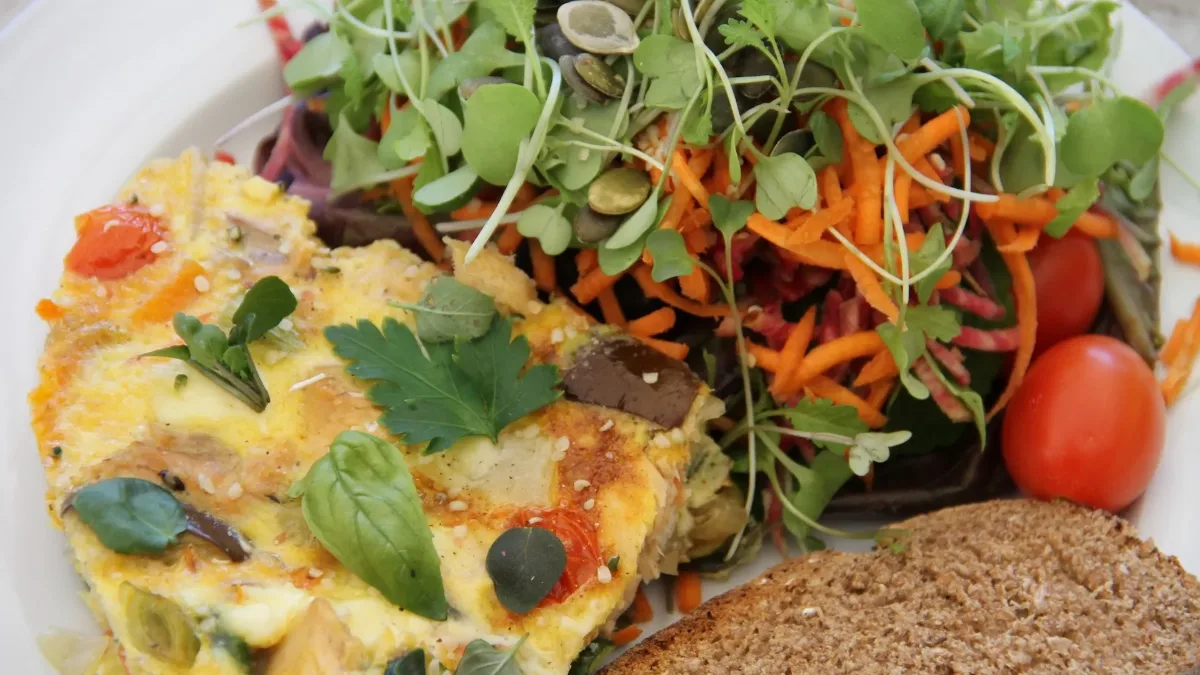
After a busy run of consultations, I’ve noticed something that keeps coming up again and again: we are creatures of habit — and our plates often show it.
We find a handful of foods we like, perhaps discover a particular way of eating, and then… we stick with it.
Day after day, the same breakfast. The same lunch. The same three vegetables rotating around dinner. Before long, our diets can become surprisingly monochromatic.
And frankly, that’s a rather sorry state of affairs.
Food should be nutritious, of course — but it should also be colourful, fragrant, exciting and delicious. We shouldn’t be eating simply because it’s time to eat. We should be looking forward to it.
One of the easiest ways to break out of a food rut is to eat the rainbow.
Why colour matters
The beautiful colours in fruit and vegetables aren’t just there to make your plate look pretty.
They come from naturally occurring plant compounds called phytochemicals, including carotenoids, anthocyanins, flavonoids and many others. Different plants contain different combinations of these compounds, alongside varying amounts of vitamins, minerals and fibre.
So the more variety of plant foods you eat, the wider the range of nutrients and beneficial plant compounds you’re likely to consume.
Think of it as nutritional diversity without the complicated rules.
Instead of counting, weighing or restricting, look at your plate. How many colours can you see?
Your plate is your canvas
Imagine a plate containing cauliflower and a chicken breast.
There’s absolutely nothing wrong with that meal nutritionally, but visually? It’s a little… beige.
Now imagine the same plate with roasted red peppers, vibrant greens, golden squash, beetroot, fresh herbs and a neat scoop of turmeric dyed brown rice.
Suddenly, it looks alive.
And that matters. We eat with all of our senses and it begins visually. Sight, smell, taste and texture all contribute to our experience of food and can influence our appetite and enjoyment. The sight and smell of food can also trigger the body’s anticipatory digestive responses before we even take our first bite.
So why not make the experience beautiful?
A colourful plate can feel more generous, exciting and satisfying than a meal that looks like an exercise in dietary discipline.
And there’s something psychologically uplifting about eating a plate full of colour too. It feels abundant rather than restrictive.
So, let’s paint the plate
Nature has already done the colour coding for us. Here’s your very simple guide to getting more variety onto your plate.
❤️ Red
Red fruit and vegetables are rich in plant compounds such as lycopene and anthocyanins, depending on the food. Think tomatoes, red peppers, strawberries, raspberries, cherries, watermelon and red cabbage. These foods provide a range of antioxidants and other plant compounds that support overall health.
And then there are cherries. Sweet, juicy and ridiculously delicious, cherries are packed with polyphenols and anthocyanins and have been studied for their potential role in supporting healthy inflammatory responses and cardiovascular health. And let’s not forget: they taste fantastic.
🟠 Orange
Orange foods are particularly rich in carotenoids, including beta-carotene, which the body can convert to vitamin A. Think carrots, sweet potatoes, pumpkin, butternut squash, oranges and mangoes. Vitamin A plays an important role in normal vision, immune function and maintaining healthy skin.
And carrots? Pulling a fresh, crunchy carrot straight from the garden has to be one of life’s simple pleasures.
🟡 Yellow
Yellow foods bring sunshine to the plate. Pineapple, yellow peppers, sweetcorn, yellow courgettes, lemons and golden varieties of squash all contribute different nutrients and plant compounds.
Pineapple is particularly interesting because it contains bromelain, a group of enzymes that help break down proteins during digestion. It also provides vitamin C and plenty of juicy, tropical flavour. Try adding fresh pineapple to a salsa, salad or a breakfast bowl for an instant injection of sunshine.
🟢 Green
If there were a colour we could probably all eat more of, it would be green.
Leafy greens, broccoli, peas, green beans, asparagus, courgettes, herbs, avocado and kiwi all bring different combinations of vitamins, minerals, fibre and phytochemicals to the table. Green vegetables contain compounds including lutein and glucosinolates, which are being studied for their roles in maintaining health.
Broccoli is a particularly useful addition, providing vitamin C, folate, fibre and other plant compounds. But please don’t boil it! They lose their beautiful nutrients to the water which ends up being thrown away!
Steep it. Steam it. Roast it. Toss it through a stir-fry. Blend it into a soup. Add it to a frittata. Make green food exciting.
🟣🟤 Blue and Purple
Now we’re getting dramatic.
Blue and purple foods get their rich colours largely from anthocyanins, a group of polyphenols with antioxidant properties. Think blueberries, blackberries, aubergine, purple cabbage, blackcurrants and plums.
The deeper and darker the colour, the more interesting the plant chemistry becomes — but don’t get too hung up on which food contains the “most” antioxidants. Variety is far more useful than chasing a single superfood.
Try adding blueberries to breakfast, blackberries to a salad or roasted aubergine to dinner.
And purple cabbage? It’s one of the easiest ways to make an otherwise ordinary meal look spectacular.
🤍 White
Don’t dismiss white.
While white and beige foods are sometimes unfairly lumped together with highly processed foods, there are plenty of wonderfully nutritious white and pale plants. Think onions, garlic, cauliflower, mushrooms, leeks, turnips and parsnips.
Garlic and onions contain sulphur-containing compounds, while onions are also a source of the flavonoid quercetin. Cauliflower brings fibre, vitamin C and other plant compounds, while mushrooms offer a completely different nutritional profile.
So yes, white belongs in your rainbow too.
Become an artist in the kitchen
Now you can see why I’m encouraging you to become an artist.
Don’t overcomplicate it. Open the fridge. Empty the vegetable drawer. Look at what you’ve got. Then start adding colour.
Making a stir-fry? Challenge yourself to use six different coloured vegetables.
Making soup? Try challenging yourself by using a plant from each of the seven culinary families.
Making a salad? Forget the lonely lettuce leaf. Add tomatoes, beetroot, carrots, peppers, herbs, sugar snaps, berries, seeds, nuts and whatever else looks good.
Sometimes you can look at a dish and immediately know that something is missing. Quite often, it’s colour.
And here’s the beautiful thing: you don’t need to follow a complicated eating routine to improve the variety of your food. Just eat more varied plants!
Your plate becomes more interesting. Your meals become more exciting. And your body gets exposed to a much broader spectrum of nutrients and beneficial plant compounds.
So next time you’re standing in front of the fridge wondering what to make, don’t ask: “What am I allowed to eat?”
Ask: “What colours can I put on my plate?”
Then have fun with it. Your kitchen is your canvas.
Frequently Asked Questions
What does “eating the rainbow” actually mean?
It simply means eating a wide variety of colourful fruit and vegetables rather than relying on the same few foods every day. Different colours often indicate different plant compounds, so eating a broad range helps increase dietary diversity.
Do I need to eat every colour every day?
No. There’s no need to turn eating the rainbow into another rule to follow. Think about variety across your week rather than trying to tick off every colour at every meal.
Are frozen fruit and vegetables still nutritious?
Absolutely. Frozen fruit and vegetables can be a convenient and nutritious option, particularly when fresh produce isn’t available. They can also make it easier to keep a wide variety of colours in your freezer.
Does cooking destroy the nutrients in colourful vegetables?
Some nutrients and plant compounds are sensitive to heat, while others become more available after cooking. For example, cooking tomatoes can increase the body’s access to lycopene. The best approach is to eat a mixture of raw and cooked vegetables prepared in different ways.
What’s the easiest way to eat more colourful food?
Start by adding one extra colour to meals you’re already eating. Add berries to breakfast, spinach to an omelette, peppers to a stir-fry, fresh herbs to lunch or roasted vegetables to dinner. Once you start looking at food through a colour lens, you’ll be amazed at how easy it becomes to add more variety.