Why Female Athletes Need Specialist Nutrition Training
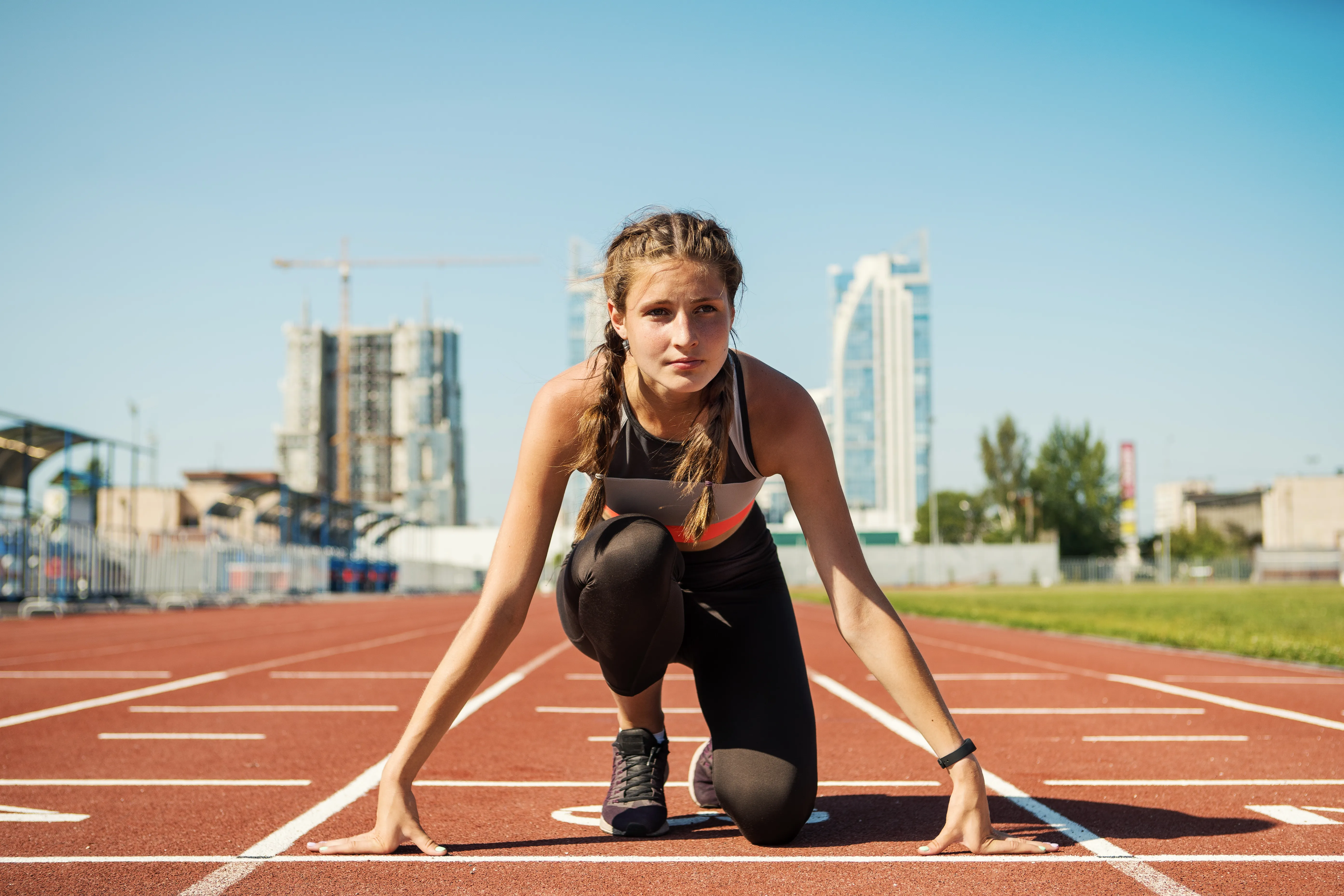
For decades, sports nutrition has largely been built around a male model of physiology, performance and recovery. Female athletes were often expected to follow the same nutrition strategies, with adjustments made mainly for body size and energy requirements.
We now know that this approach is incomplete.
Women are not simply smaller versions of male athletes. Biological sex influences physiology, substrate metabolism, body composition and responses to exercise, while female athletes also experience physiological changes across the menstrual cycle and throughout their lives. Yet women remain underrepresented in sports science research, meaning that much of what we know about sports nutrition has historically been extrapolated from male athletes.
This doesn't mean that every female athlete needs a completely different diet. The foundations of good sports nutrition remain the same: adequate energy, sufficient protein, carbohydrate matched to training demands, healthy fats, micronutrient adequacy, hydration and appropriate fuelling around exercise.
But the context in which those foundations are applied matters.
That is why female athletes benefit from practitioners who have specialist training in female sports nutrition.
Energy availability is particularly important
One of the biggest issues in female sport is simply not eating enough to support the combination of training, recovery and normal physiological function.
High training loads, pressure to maintain a certain physique, appetite suppression, busy schedules and the belief that being lighter means being faster or fitter can all contribute to chronic under-fuelling.
When energy intake consistently fails to meet the demands of exercise and everyday physiological function, the body has to make compromises.
This is the territory of low energy availability (LEA) and, when it becomes problematic, Relative Energy Deficiency in Sport (RED-S).
The International Olympic Committee's 2023 consensus statement describes RED-S as a syndrome resulting from low energy availability that can affect multiple physiological systems as well as health and athletic performance. Importantly, RED-S is not exclusively a female problem — it can affect male athletes too — but female athletes have historically been the focus of much of the research.
The consequences can extend well beyond menstrual function, including effects on bone health, metabolic function, immune function, cardiovascular health, psychological wellbeing, recovery and performance.
A specialist practitioner therefore needs to recognise the warning signs and understand when nutrition coaching is appropriate and when an athlete needs referral to a doctor, a nutritional therapist, a psychologist or a wider multidisciplinary team.
The menstrual cycle deserves a place in the conversation — but not a set of rigid rules
Menstruation is not a performance problem. But reproductive function is sensitive to energy availability and overall physiological health.
A healthy menstrual cycle can provide useful information about an athlete's health, while changes such as missed or irregular periods should not simply be accepted as an inevitable consequence of intense training.
The menstrual cycle can also be associated with changes in symptoms such as appetite, gastrointestinal comfort, sleep, fluid retention and perceived wellbeing. However, the research does not support the idea that all women will experience predictable changes in strength, endurance or performance at particular points in the cycle. Findings remain inconsistent, and individual responses vary considerably.
This distinction is important.
Specialist female-athlete nutrition is not about telling every woman to eat differently during each phase of her cycle. It is about understanding the physiology, asking the right questions, monitoring the individual and adapting nutrition when there is a genuine reason to do so.
Individualisation matters more than a menstrual-cycle formula.
Iron is a particular consideration
Iron deserves special attention in female athletes.
Menstrual blood loss can increase the risk of iron deficiency, while endurance training can introduce additional challenges to iron balance. Dietary patterns, energy restriction and inadequate overall food intake can further increase the risk.
Iron deficiency can affect health and exercise capacity, but fatigue is not synonymous with iron deficiency. This is why supplementation should not automatically be the answer.
A specialist approach considers the athlete's diet, symptoms, training demands and relevant blood results, with appropriate testing and medical referral where necessary.
And, as with all sports nutrition, food comes first wherever possible.
The wider evidence base also highlights iron as one of the nutritional areas where female-specific consideration can be particularly relevant.
Bone health starts with adequate fuelling
Bone health is another area where under-fuelling can have serious consequences.
Adequate energy availability, protein, calcium, vitamin D and other nutrients all contribute to maintaining healthy bone tissue. Chronic low energy availability can also disrupt hormonal and metabolic processes involved in bone health.
For athletes participating in high-impact or endurance sports, this is particularly important because repeated training places substantial demands on the skeleton.
A nutrition practitioner working with female athletes therefore needs to look beyond performance in the next training session and consider the athlete's long-term health and ability to continue participating in her sport.
Protein isn't the whole recovery story
Protein is rightly recognised as an important part of recovery, but female athletes need more than a protein shake after training.
Total energy intake and carbohydrate availability matter too.
An athlete who consumes plenty of protein but chronically under-eats carbohydrates may still struggle to replenish glycogen, recover between sessions and perform at her best.
Current female-athlete nutrition guidance continues to emphasise adequate energy intake as the primary nutritional consideration, followed by appropriate carbohydrate and protein intake according to training demands and individual circumstances.
The goal isn't to make nutrition complicated. It is to match food intake to the demands being placed on the body.
That might mean more carbohydrates around a hard training session, sufficient protein distributed throughout the day, and adequate overall energy to support recovery.
Female athletes also need nutrition advice that considers life stage
Nutrition needs and priorities can change throughout a woman's sporting life.
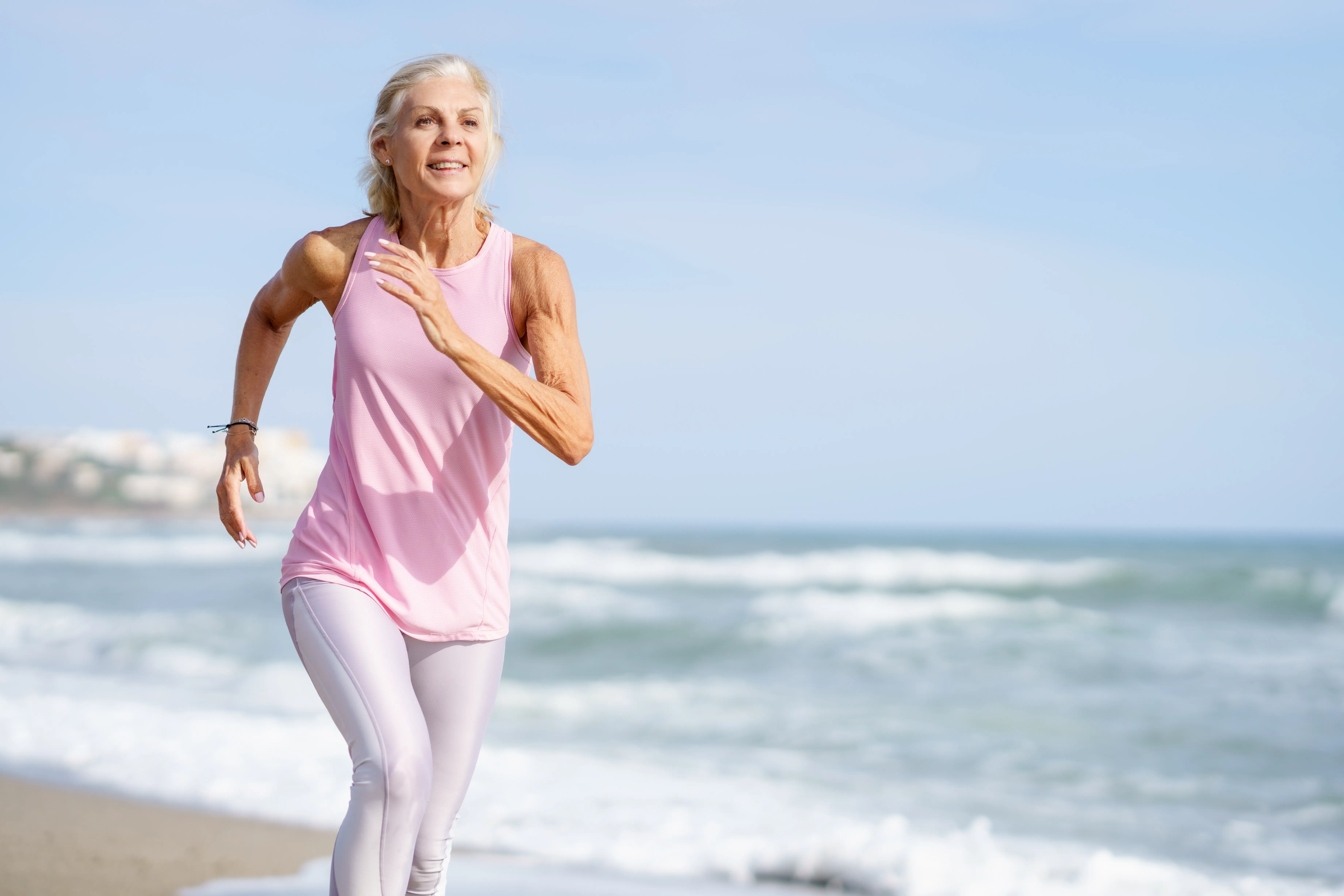
The teenage athlete has different considerations from the athlete in her twenties. Pregnancy and postpartum bring another set of considerations. Perimenopause and menopause introduce further changes in physiology, body composition, bone health and recovery.
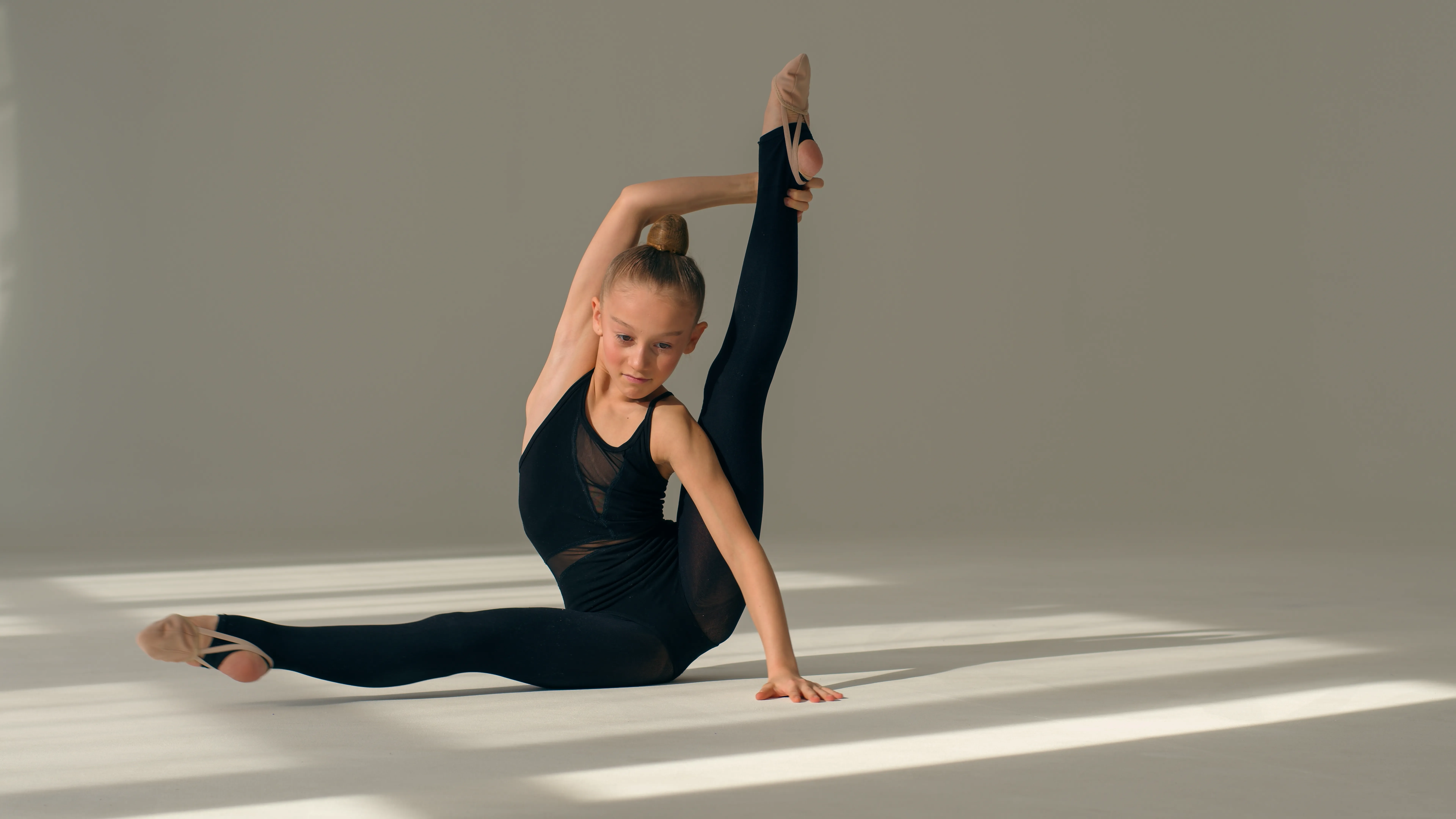
Female-athlete nutrition therefore shouldn't stop at reproductive-age athletes.
The International Society of Sports Nutrition's position stand specifically recognises female athletes across the lifespan, including premenopausal, perimenopausal and postmenopausal women.
A practitioner working with women needs to understand female physiology across the lifespan, not simply nutrition for competition day.
The psychological side matters too
Perhaps one of the most important reasons female athletes need specialist support is the relationship between nutrition, body image and performance.
Sports that emphasise leanness, weight categories or aesthetics can create significant pressure around food and body composition.
An athlete may be praised for losing weight even when the weight loss is compromising her health and performance.
Nutrition professionals therefore need to recognise the difference between optimising body composition and simply making an athlete smaller.
They also need to understand disordered eating, eating disorders and Relative Energy Deficiency in Sport, and know when an athlete requires specialist psychological or medical support.
Good sports nutrition should never encourage an athlete to sacrifice health in pursuit of a number on the scales.
We also need to acknowledge what we don't yet know
This is an important part of specialist practice.
The rapidly growing interest in female sports nutrition has produced valuable research, but there are still significant gaps in the evidence.
Women have historically been underrepresented in sports research, and studies investigating menstrual-cycle effects have often used small samples, different methodologies and inconsistent definitions of cycle phase. As a result, some popular claims about female-specific nutrition and performance have moved considerably faster than the evidence.
A good practitioner needs to be able to distinguish between:
- What we know.
- What appears plausible.
- What is individual rather than universal.
- And what we simply don't know yet.
That is arguably one of the strongest reasons for specialist training.
What specialist training should actually provide
Specialist training in female sports nutrition should go beyond learning a list of “foods for female athletes.”
It should provide an understanding of:
- Energy availability and RED-S
- Menstrual function and hormonal health
- Iron and micronutrient considerations
- Bone health and stress injury risk
- Female-specific considerations in training and recovery
- Nutrition across different life stages
- Pregnancy and postpartum considerations
- Perimenopause and menopause
- Body image and disordered eating
- Appropriate use of supplements
- Individualisation rather than one-size-fits-all cycle advice
- Screening, scope of practice and appropriate referral
- The strengths and limitations of the current evidence
Most importantly, it should teach practitioners how to apply the science to the individual athlete sitting in front of them.
The goal isn't female-specific nutrition rules
There is a danger of swinging too far in the opposite direction.
Women don't need an entirely separate set of foods, diets or complicated protocols.
They need good nutrition applied with an understanding of female physiology.
The fundamentals remain remarkably consistent:
- Eat enough.
- Eat well.
- Fuel the work.
- Recover properly.
- And make nutrition fit the individual.
Specialist training gives practitioners a better understanding of the factors that can alter those requirements, the warning signs that something isn't right, and the evidence needed to make sensible, individualised decisions.
For female athletes, this can make the difference between nutrition advice that merely looks good on paper and nutrition support that genuinely supports performance, health and longevity in sport.
Because the objective isn't just to help a woman perform better today.
It's to help her perform well, stay healthy and keep doing the sport she loves for years to come.
Frequently Asked Questions
Do female athletes need a completely different diet from male athletes?
No. The foundations of good sports nutrition remain the same — adequate energy, sufficient protein, carbohydrate matched to training demands, healthy fats, micronutrient adequacy, hydration and appropriate fuelling around exercise. What changes is the context in which those foundations are applied, which is why specialist training in female sports nutrition matters.
What is RED-S?
Relative Energy Deficiency in Sport (RED-S) is described by the International Olympic Committee's 2023 consensus statement as a syndrome resulting from low energy availability that can affect multiple physiological systems as well as health and athletic performance. It is not exclusively a female problem, but female athletes have historically been the focus of much of the research.
Should every woman change her nutrition across her menstrual cycle?
Not necessarily. Research does not support the idea that all women experience predictable changes in strength, endurance or performance at particular points in the cycle, and findings remain inconsistent. Specialist female-athlete nutrition is about understanding the physiology and adapting nutrition when there is a genuine, individual reason to do so — not applying a fixed cycle-based formula to every athlete.
Does female-athlete nutrition only apply to younger, reproductive-age women?
No. Nutrition needs and priorities change throughout a woman's sporting life, from the teenage athlete through pregnancy and postpartum to perimenopause and menopause. The International Society of Sports Nutrition's position stand specifically recognises female athletes across the lifespan, including premenopausal, perimenopausal and postmenopausal women.
Get healthy eating tips, straight to your inbox
Occasional recipes, updates and offers. Unsubscribe anytime.