Nourishing Lunch Boxes: Colourful, Delicious & Practical
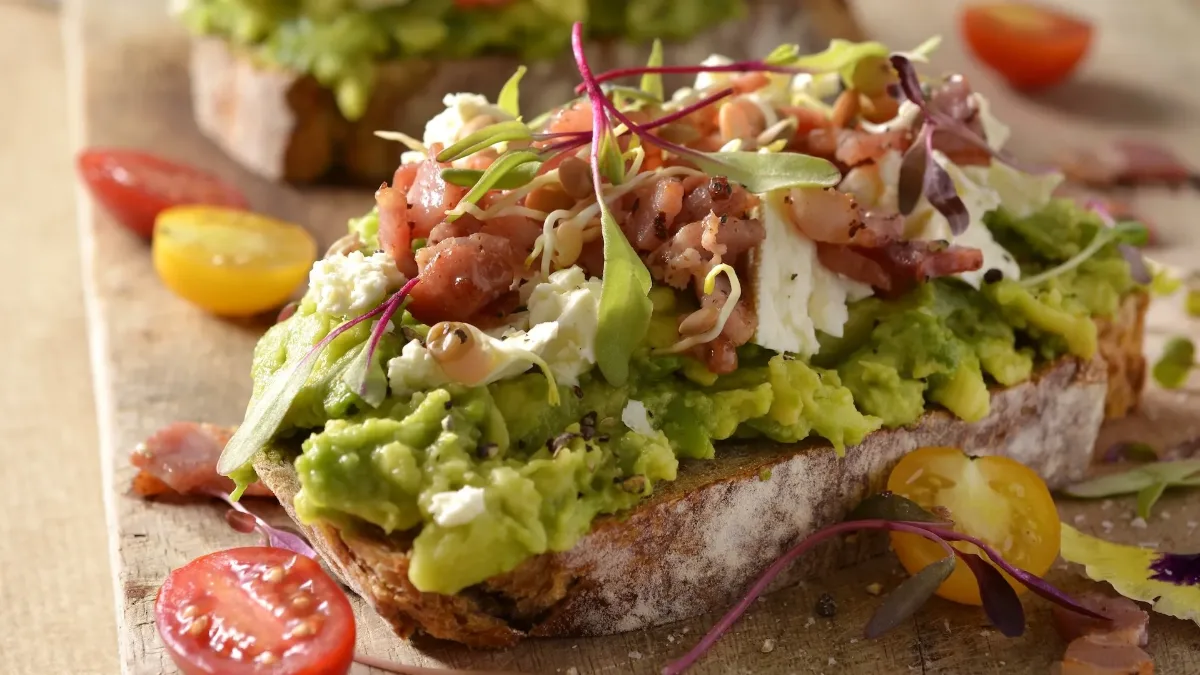
What goes into your child's lunch box matters.
School days are busy. Children are learning, concentrating, running around, playing sport and growing — and lunch needs to keep up with all of that.
But let's be honest. Packing a lunch box every morning can feel like just another job on an already endless to-do list. And with school payment apps making it so easy to add money to a child's account, it can be tempting to let them choose their own lunch from the school canteen.
School canteen lunches can also be variable in quality, often relying on more processed foods and offering less variety of fresh, nourishing ingredients than a thoughtfully prepared lunch box.
So how do we make the lunch box something they actually look forward to opening?
Think nourishing, colourful, delicious and practical.
And no, that doesn't mean you need to create a Pinterest-worthy masterpiece at 6.30am!
Start with a really good sandwich
There is absolutely nothing wrong with a sandwich. In fact, a good sandwich can be a wonderfully nourishing lunch.
The trick is to make it more than just bread and a filling.
Choose a good-quality traditionally fermented sourdough, then make the filling the star. Think:
- Chicken, homemade mayo, gherkins and lettuce greens
- Egg, homemade mayo and baby spinach leaves
- Tuna, homemade mayo, sweetcorn and cucumber or gherkins
- Hummus, roasted vegetables and feta
- Cheese, tomato and rocket and baby greens
- Leftover roast chicken with pesto and peppers
- Salmon, cream cheese and cucumber or baby leaves
- Seed butter and banana, if permitted by the school
And don't forget the vegetables. A few slices of cucumber, some grated carrot, a little avocado, tomato, peppers, spinach and leafy greens can transform a sandwich and amplify nutrients.
Bread doesn't have to be the enemy. A well-built sandwich based on a good quality bread and fillings is a brilliant vehicle for nourishing food.
Make colour part of the lunch
Children eat with their eyes too.
A lunch box filled with different colours, textures and shapes is naturally more inviting than one containing five beige foods!
Think beyond the usual apple and banana and mix things up.
Red: strawberries, cherry tomatoes, watermelon, raspberries, pomegranate arils
Orange: carrots, satsumas, orange peppers, apricots, peaches, nectarines
Green: cucumber, peas, sugar snaps, avocado, kiwi, spinach, edamame beans
Purple/blue: blueberries, blackberries, dark grapes, cherries, plums
Yellow: sweetcorn, peppers, pineapple, mango, pear
You don't need every colour every day. Just look for variety across the week.
And don't underestimate the power of cutting food differently. Cucumber sticks, pepper strips, little vegetable sticks, pineapple stars, halved grapes or fruit on a skewer can make familiar foods feel completely different.
Think beyond the sandwich
The sandwich can be the main event, but it doesn't have to be the whole show.
Leftovers can make fantastic packed lunches.
A little container of last night's chicken and rice. Mini frittatas. Pasta salad. Vegetable and bean salad. Homemade savoury muffins. Falafel. Roasted vegetables. Cold salmon. Drumsticks. Meat balls. Stuffed cabbage wraps. Good quality sausages. Diced burger patties. Boiled eggs. Creamed cheese and oat cakes or sourdough crackers.
This is where the bento box comes into its own.
Instead of thinking, “What can I make for lunch?”, think:
“What do I already have in the fridge that I can put into the lunch box?”
It makes lunch preparation much easier — and it can dramatically increase the variety of foods your child gets across the week.
Build a brilliant yoghurt or kefir pot
A pot of natural yoghurt or kefir can make a fantastic addition to a lunch box. It gives you a simple base that you can flavour in countless ways.
Start with: Natural Greek yoghurt or kefir or skyr
Then add: Fruit — blended berries, pureed apple or pear, mashed banana, pomegranate arils, chopped mango, kiwi or grapes, or drizzle in passion fruit pulp. Something crunchy — toasted oats, homemade granola or seeds (optional). Something extra — cinnamon, vanilla, cacao, grated apple, coconut or a little drizzle of honey or maple syrup, if desired.
Try some combinations:
- 🍣 Berry cheesecake — Natural yoghurt + strawberries or raspberries + oats + a sprinkle of seeds
- 🍎 Apple pie — Yoghurt or kefir + grated apple + cinnamon + toasted oats
- 🍌 Banana bread — Yoghurt + sliced or mashed banana + cinnamon + toasted oats + a little cacao
- 🥬 Tropical — Kefir + mango + kiwi + coconut
- 🫐 Blueberry crumble — Yoghurt + blueberries + homemade oat crumble
- 🍣 Chocolate berry — Yoghurt + berries + cacao powder and nibs + toasted oats
You can prepare the yoghurt pot the night before and keep it chilled. For younger children, remember to adapt the size and texture of fruit and other ingredients appropriately.
It's essentially a little pudding — but one built from nourishing ingredients.
You can also keep it super simple by just using yoghurt, vanilla and honey.
Add some protein
Protein helps make lunch satisfying, particularly for children who are active or have a long afternoon ahead.
It doesn't need to mean a complicated recipe. Try:
- Boiled eggs
- Chicken or other leftover meat
- Tuna or salmon
- Cheese
- Greek yoghurt or kefir
- Hummus
- Beans or lentils
- Seed butter, where permitted
- Biltong or jerky
Think of protein as one of the building blocks of the lunch box rather than something that needs to be measured or calculated.
Don't forget the crunch
Texture makes food interesting.
A lunch box doesn't have to be soft from beginning to end. Add something crunchy alongside the softer foods.
Carrot sticks. Cucumber. Sugar snap peas. Seeds. Roasted chickpeas. Wholegrain crackers. Apple slices. Toasted oats. Homemade vegetable crisps.
Crunch = fun.
And fun matters when you're trying to encourage children to enjoy nourishing food.
Fruit doesn't have to be boring.
Fruit is nature's fast food.
Keep a variety available and rotate what goes into the lunch box. Berries, melon, kiwi, oranges, apples, pears, grapes, mango, pineapple or whatever is in season.
Frozen berries and cherries can be useful too, particularly in yoghurt or homemade muffins.
The aim isn't to make fruit exciting enough to compete with sweets. It's simply to make sure children experience lots of different fruits and learn that naturally sweet food can be delicious.
A little homemade goes a long way
If you have time to batch cook, make a few things that can be pulled out during the week.
Homemade savoury muffins. Oat bars. Date and oat balls. Mini frittatas. Banana muffins. Vegetable pancakes. Healthy cookies. Bean and chocolate bars.
Put some in the freezer and you've got your own little lunch-box emergency supply.
And remember: homemade doesn't have to mean perfect.
A banana muffin made with oats, banana and seeds doesn't need to look like it came from a bakery. It just needs to taste good!
Let children have some ownership
One of the easiest ways to make lunch boxes work is to give children some choice.
Not “What do you want for lunch?” when you're already running late.
Instead, offer two or three options: “Do you want cucumber or peppers?” “Chicken or egg?” “Strawberries or grapes?”
They get some independence, you keep some control, and lunch doesn't become a daily negotiation.
They can even make their lunch with your help.
You can even create a little lunch box menu together at the weekend, choosing a few options from each category.
Preparation is everything
The secret to a good lunch box isn't getting up at 6am and becoming a culinary genius.
It's preparation.
Cook a little extra at dinner. Wash the fruit when you get home from the supermarket. Chop a few vegetables. Boil some eggs. Make a batch of muffins. Prepare a few yoghurt pots. Portion leftovers into containers.
Then, when morning arrives, you're assembling rather than cooking.
Your future, sleep-deprived self will thank you.
And what about the school canteen?
School canteens aren't automatically the enemy either.
The bigger picture is helping children understand what makes a nourishing meal — and giving them the skills and confidence to make good choices for themselves.
The lunch box is just another opportunity to teach that.
Make lunch something to look forward to
A nourishing lunch doesn't need to be complicated, expensive or Instagram-worthy.
It needs to contain food your child enjoys, with enough variety to keep things interesting.
A good sandwich. Some colourful vegetables. A piece of fruit. Something crunchy. A source of protein. Perhaps a delicious yoghurt pot or something homemade.
Nourishing food should still be delicious food.
So let's stop thinking about the lunch box as another nutritional box to tick.
Let's make it colourful. Let's make it interesting. Let's make it delicious.
And most importantly, let's make it something our children actually want to eat.
Frequently Asked Questions
Is a sandwich a healthy lunch for a child?
Absolutely. A good-quality sandwich can be a very nourishing lunch. Choose a sourdough bread where possible and include a satisfying filling such as egg, chicken, tuna, cheese or hummus, along with vegetables or salad.
What should I put in a child's lunch box?
Think variety rather than perfection. A sandwich or other main food, a source of protein, some colourful vegetables or salad, fruit and something crunchy can make a great combination. Leftovers and yoghurt or kefir pots can also make excellent additions.
How can I get my child to eat more vegetables?
Keep offering them without pressure and make them appealing. Try different colours, shapes and textures, and include vegetables alongside foods your child already enjoys. Children often need repeated exposure before a new food becomes familiar.
What can I put in a yoghurt or kefir pot?
Start with natural yoghurt or kefir and add fruit, such as berries, banana, apple or mango. Then add texture with toasted oats, homemade granola or seeds. Cinnamon, cacao, vanilla or coconut can add extra flavour without needing a highly sweetened yoghurt. Or keep it simple with yoghurt, honey and vanilla or cacao powder or passion fruit pulp.
How can I make lunch boxes easier on busy mornings?
Preparation is your best friend. Cook extra at dinner, make a batch of muffins or oat balls, boil eggs, wash and chop vegetables and prepare yoghurt pots in advance. Keep a selection of lunch-box staples available so you can assemble rather than cook each morning.
Get healthy eating tips, straight to your inbox
Occasional recipes, updates and offers. Unsubscribe anytime.