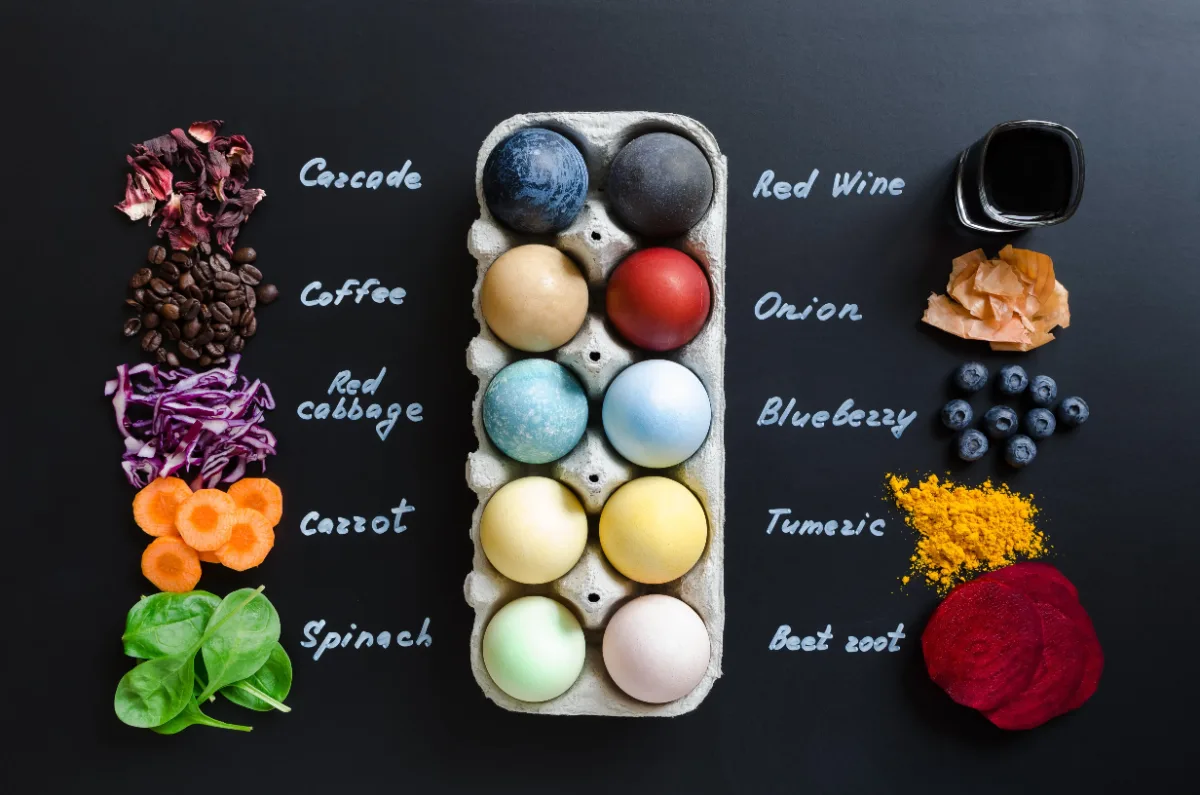
Who says food colouring has to come from a little bottle of synthetic dye?
Your kitchen is already full of ingredients that can turn food into a rainbow of colour. Beetroot can give you the most gorgeous pinks and reds, spinach can create fresh greens, turmeric brings sunshine-yellow, and purple cabbage can perform a rather wonderful colour-changing trick.
Natural food dyes may not produce the neon intensity of synthetic colours—and that’s part of their charm. The colours tend to be softer, more natural and, depending on the ingredient, beautifully varied.
And you don’t need a chemistry lab to get started. You just need a blender, a few colourful ingredients and a willingness to play.
Start with red and pink
Beetroot is one of my favourite natural colourings because it packs an enormous amount of colour into a relatively small amount of food.
For a liquid dye, juice raw beetroot or blend it with a little water and strain. This works particularly well when you’re happy to add a little extra liquid to your recipe.
But if you don’t want to change the liquid balance of your recipe, beetroot powder is your best friend.
I love using freeze-dried beetroot if I can’t find the powder. Simply grind it into a fine powder using a blender, coffee grinder or spice grinder. You can then add it to icing, cookies, cakes or anything else that could benefit from a rosy glow.
For something brighter and more playful, try freeze-dried raspberries or strawberries. They give you beautiful pinks while also bringing a subtle fruity note.
Go green
Green is wonderfully easy.
Fresh spinach or kale can be juiced or blended and added to smoothies, pasta, sauces or even frosting. Spinach is particularly useful when you want colour without a strong flavour taking over the dish.
For a more intense, earthy green, reach for matcha.
And if you really want to experiment, wheatgrass and green algae can create some spectacular shades.
This is where natural colouring becomes particularly fun: you can start with one ingredient and experiment with the quantity until you find your perfect shade.
Sunshine in the kitchen
For orange, fresh carrot juice is an easy choice—and its natural sweetness makes it particularly lovely in baking.
For a much more intense golden yellow, turmeric is hard to beat. A tiny amount can transform a dish, so start small.
Then there’s saffron. Steep a few saffron threads in warm water and you’ll get a wonderfully luxurious golden yellow.
Golden beetroot gives a much softer, more delicate yellow, which is lovely in lemon cakes, cheesecakes and pale frostings.
Purple—and a little kitchen magic
Purple cabbage is one of my favourite ingredients to play with because it doesn’t just give you colour—it gives you a little kitchen science experiment.
Simply simmer chopped purple cabbage in water and strain the liquid.
Want to change the colour? Add a little lemon juice.
The acidity can shift the cabbage dye from purple towards vibrant magenta and pink. It’s a brilliant trick for experimenting with colour, particularly when you’re cooking with children.
A few tricks for stronger colour
Natural food dyes tend to be more subtle than synthetic ones, but there are a few easy ways to make them work harder.
Concentrate it. If you’re using a juice or liquid extract, gently simmer it to reduce the water and concentrate the colour. Just be careful not to over-reduce or scorch it.
Play with acidity. A squeeze of lemon juice can brighten certain natural colours, particularly reds, pinks and purples. Purple cabbage is the perfect example.
Use powders when you can. Freeze-dried fruit, vegetable and superfood powders are incredibly useful because they add colour without introducing much additional moisture.
And don’t forget that colour doesn’t have to be reserved for cakes and cupcakes.
A little natural colour can make everyday food much more exciting. Even dying wholegrain rice and pasta can look completely different with a pop of colour.
Let your food play dress-up
For me, food has always revolved around colour.
I love food that looks as good as it tastes, and natural dyes give you another creative tool to play with.
One of my favourite dishes is my take on Japanese maki rolls, using short-grain brown rice rather than traditional white rice. I divide the rice into small batches and colour each one differently using natural ingredients.
The result is one of my prettiest dishes—and it’s delicious too.
And then there are the occasions when you can really have fun with it.
I’ve used beetroot to create red cacao chocolates for Valentine’s Day, colourful cheesecakes for birthdays and gifts, charcoal to create dramatic black sourdough for Halloween, and naturally coloured pastry for Christmas mince pies.
You can make food look celebratory without relying on synthetic colourings.
A little goes a long way
There is one golden rule when working with natural food dyes: don’t overdo it.
You want enough colour to make your food look beautiful without allowing the colouring to dominate the flavour. This is especially important with stronger ingredients such as turmeric, beetroot and matcha.
And remember that adding a significant amount of either liquid or powder can change the texture of your recipe.
If you’re baking, particularly with gluten-free recipes, you may need to make a small adjustment. If you’re adding a powdered dye, you can subtract a little of the dry ingredients to compensate. If you’re using a liquid dye, reduce another liquid ingredient slightly.
Think of it as cooking by colour rather than following a rigid formula. Start with a little, see what happens, and build from there.
That’s the joy of natural food colouring: you’re not just colouring food—you’re playing with it.