Natural Skin Nutrition
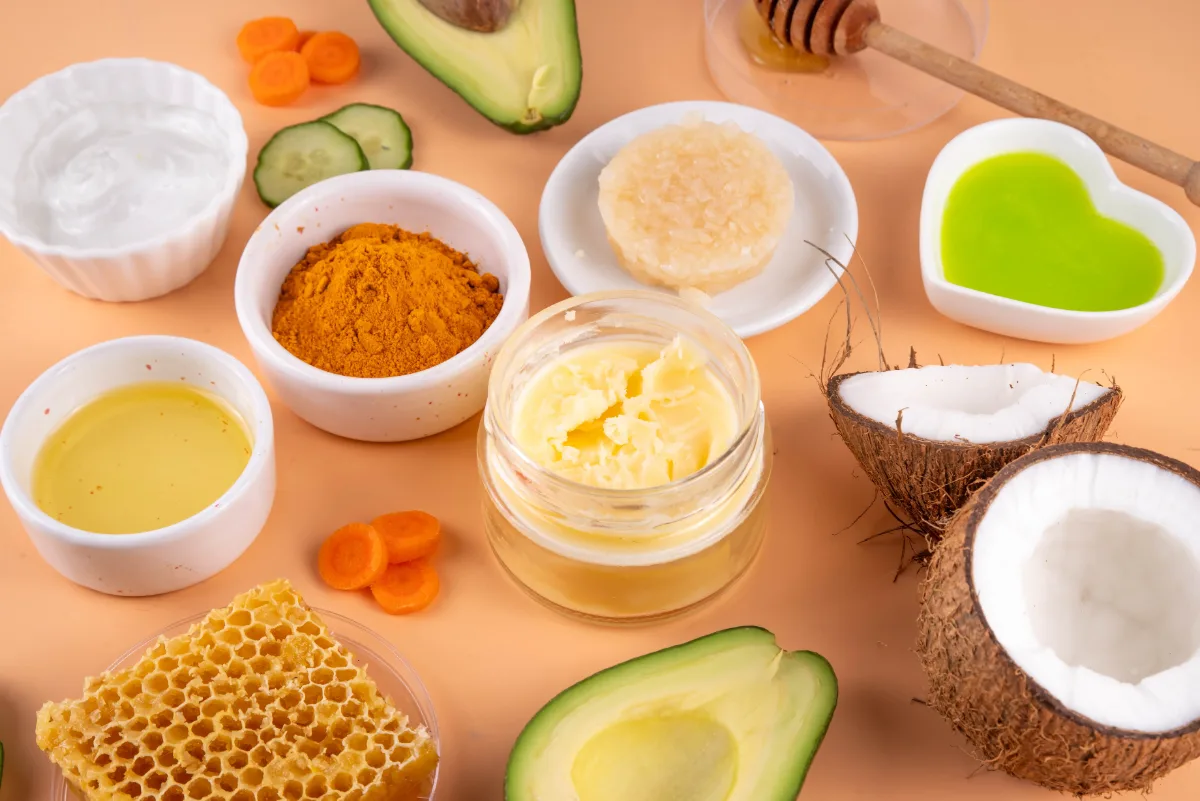
We spend a lot of time thinking about what we put into our bodies, but what about what we put onto them?
Your skin is your body's first line of defence. It is constantly exposed to sunlight, pollution, sweat, wind and the elements — particularly if you're active outdoors. So it deserves a little attention too.
There is a simple principle I like to follow:
If you can eat it, apply it.
I love keeping skincare as natural and uncomplicated as possible. Our kitchens are full of wonderful ingredients that can nourish, soften and care for the skin, without needing a bathroom cabinet overflowing with complicated products.
When you're shopping for skincare, get into the habit of reading the ingredient list. Look for products made with simple, recognisable, naturally derived ingredients and don't be dazzled by clever packaging or lengthy lists of synthetic-sounding ingredients.
Of course, natural doesn't mean that every ingredient will suit every skin type. Citrus, essential oils and other concentrated plant ingredients can be irritating for some people, so it's always sensible to patch-test anything new.
But for me, the principle remains simple:
The closer to nature, the better. Keep it simple, choose quality ingredients and listen to your skin.
Your skin starts from within
Great skin isn't created by skincare alone.
Your skin is closely connected to what is happening inside your body, so what you eat and drink matters too.
Adequate hydration, sufficient protein, essential fats, vitamins, minerals and a colourful variety of plant foods all contribute to maintaining healthy skin.
Rather than searching for one miracle food, think variety.
Fill your plate with colourful fruit and vegetables, seeds, whole grains, legumes and other nutrient-dense foods. The more varied your diet, the greater the range of nutrients and plant compounds you're giving your body to work with.
Think of your plate as skincare from the inside out.
Eat your way to healthy skin
Certain nutrients are particularly interesting when it comes to skin health — but you don't need a cupboard full of supplements to get them.
Nature has already done a pretty good job of putting them into food.
Beta-carotene
Beta-carotene is a carotenoid that the body can convert into vitamin A, which plays an important role in maintaining normal skin and other tissues.
Look for it in beautifully coloured plant foods such as carrots, sweet potatoes, winter squash and dark leafy greens.
Think orange, red and deep green — and you'll be heading in the right direction.
Lycopene
Lycopene is another carotenoid, particularly abundant in tomatoes.
It is fat-soluble, so enjoying lycopene-rich foods with a little healthy fat can help your body absorb it.
Try tomatoes cooked with extra virgin olive oil, or enjoy watermelon, pink grapefruit and guava alongside a meal containing healthy fats.
Another good reason to drizzle your vegetables with a little extra virgin olive oil!
Astaxanthin
Astaxanthin is a red-orange carotenoid produced by certain micro-algae. It has attracted plenty of interest for its antioxidant properties.
You can find astaxanthin in certain seafood, particularly wild salmon, trout, shrimp and other crustaceans, which obtain it through their diet.
It's another fascinating example of the huge variety of protective compounds found in nature.
Rutin
Rutin is a plant flavonoid found in foods such as buckwheat, asparagus, citrus fruits, berries and apricots.
Flavonoids are part of the enormous family of polyphenols found throughout colourful plant foods.
Rather than becoming obsessed with one particular antioxidant, eat the rainbow and give your body a broad spectrum of these naturally occurring plant compounds.
Vitamin E
Vitamin E is a fat-soluble antioxidant that helps protect cells from oxidative stress and contributes to normal skin health.
Good food sources include almonds, sunflower seeds, avocado, spinach and other leafy greens.
A handful of nuts or seeds, some avocado with lunch or a drizzle of good-quality olive oil can all help boost your intake.
Vitamin C
Vitamin C is essential for normal collagen formation, which is important for maintaining the structure of skin and connective tissue.
It is abundant in berries, citrus fruits, peppers, broccoli, kiwi and other colourful fruits and vegetables.
And there's no need to search for exotic superfoods.
Some of the best skin-supporting foods are sitting in the fruit and vegetable aisle of your local supermarket or local farmers market.
Resveratrol
Resveratrol is a polyphenol found in the skins of grapes and also present in foods such as berries and cranberries.
It is another example of the wonderful array of plant compounds naturally present in colourful whole foods.
The takeaway?
Don't chase one miracle nutrient. Eat a wonderfully varied diet and let nature provide the mix.
Keep your skincare simple
There is so much skincare available that it's easy to become overwhelmed.
Serums, oils, masks, cleansers, balms, exfoliators — the list goes on.
But perhaps we don't need quite so many products.
I love going back to basics and choosing simple, natural ingredients that have been used for generations.
A simple routine can be remarkably effective:
Cleanse gently. Hydrate. Moisturise. Protect from the sun.
Then add products according to your individual skin type and what your skin needs.
And don't forget your kitchen cupboard.
Avocado. Oats. Honey. Olive oil. Coconut oil. Shea butter. Grapes.
Sometimes the simplest ingredients can make wonderfully nourishing additions to your skincare routine.
Get creative in the kitchen
One of the joys of natural skincare is that you can experiment with ingredients you already have at home.
Think of these recipes as a little bit of natural kitchen alchemy — simple, fresh and fun.
Grape Facial Cleanser (if you feel the need to cleanse)
Ingredients
- 1 cup mashed grapes
- 1 teaspoon olive oil
- ¼ cup milk
Method
Blend the grapes with the olive oil and milk until smooth.
Apply gently, avoiding the eye area, then rinse thoroughly with lukewarm water.
Grapes contain naturally occurring polyphenols, while olive oil provides nourishing fatty acids.
Make only what you need and use immediately rather than storing homemade preparations containing fresh food.
Avocado Citrus Mask
Ingredients
- ½ ripe avocado
- 3 chunks fresh pineapple
- A small squeeze of fresh lime
- 1 tablespoon extra virgin olive oil or coconut oil
- ½ tablespoon raw honey
Method
Add pineapple to a food processor. Then pulse in the avocado. Add a small squeeze of lime and process until smooth but still textured.
Stir in the oil and honey.
Apply a thin layer to clean skin and leave for around 5–10 minutes. Rinse thoroughly with a warm, damp cloth and follow with your usual moisturiser.
A little note of caution: pineapple and citrus can be stimulating and may irritate sensitive skin, while citrus can increase photosensitivity. Patch-test first and don't use this immediately before going out into strong sunlight.
Face and Body Butter
This rich, creamy butter is particularly lovely for dry areas of the body.
Ingredients
- ½ cup raw shea butter
- ¼ cup coconut oil
- ¼ cup almond oil
Optional: a small amount of a skin-safe essential oil, if desired.
Method
Melt the shea butter and coconut oil gently in the top of a double boiler.
Remove from the heat and allow to cool for around 20 minutes. Stir in the almond oil and, if using, a suitable essential oil. I love lemongrass.
Place the mixture in the freezer until it begins to partially solidify.
Whip until light and creamy, then transfer to a clean glass jar.
Use sparingly, a little goes a long way.
Shea butter and plant oils make a wonderfully rich combination for dry skin, helping to soften the skin and support moisture retention.
If you have a nut allergy, simply swap the almond oil for a suitable alternative such as jojoba or another plant oil that you know your skin tolerates.
Nourish from the inside out
The most important part of natural skin nutrition isn't a fancy serum, an exotic superfood or an expensive treatment.
It's the everyday stuff.
Eat a colourful, varied diet. Drink enough fluids. Include healthy fats. Eat plenty of plants. Protect your skin from excessive UV exposure. Sleep well. Move your body. And keep your skincare routine beautifully simple.
Get creative.
Open the fridge. Look in the fruit bowl. Raid the kitchen cupboard.
Nature has given us some pretty wonderful ingredients.
Look after your skin from the inside out and the outside in — and have a little fun experimenting along the way.
Frequently Asked Questions
Can what I eat really affect my skin?
Absolutely. Your skin needs a steady supply of nutrients to maintain its normal structure and function. A varied diet containing plenty of colourful fruit and vegetables, protein, healthy fats, whole grains, legumes, seeds and other nutrient-dense foods provides a broad range of nutrients and plant compounds to support healthy skin.
What are the best foods for healthy skin?
Think colour and variety rather than one miracle food. Berries, citrus fruits, peppers, tomatoes, carrots, sweet potatoes, leafy greens, avocado, nuts, seeds, legumes and whole grains all provide different nutrients that contribute to overall skin health.
Can natural ingredients be used directly on the skin?
Many natural ingredients can make lovely additions to a simple skincare routine. Avocado, oats, honey, shea butter and plant oils, for example, can be used in homemade preparations. However, natural ingredients are still active ingredients, so patch-test new preparations and stop if your skin becomes irritated.
Does eating antioxidant-rich food mean I don't need sunscreen?
No. A colourful diet rich in plant compounds is an important part of looking after your skin, but it doesn't replace sun protection. Sunscreen, shade, protective clothing and sensible behaviour in strong sunlight are still important.
Is natural skincare better than a complicated skincare routine?
For many people, keeping skincare simple can be a wonderful approach. Choosing quality products with straightforward, natural ingredients can help you know what you're putting on your skin and avoid an unnecessarily complicated routine. Ultimately, the best skincare is one that suits your individual skin and that you can use consistently.
Nourish it. Protect it. Keep it simple. And let nature do some of the work.
Get healthy eating tips, straight to your inbox
Occasional recipes, updates and offers. Unsubscribe anytime.