What Is the Difference Between a Prebiotic and a Probiotic?
You've probably heard the words prebiotic and probiotic thrown around when talking about gut health. They sound remarkably similar — but they do very different jobs.
So, what's the difference?
Put simply:
Probiotics are the beneficial live microorganisms.
Prebiotics are the food that helps feed them.
Think of your gut as a garden. Probiotics are some of the beneficial organisms you want growing there, while prebiotics are the nourishment that helps your gut microbes thrive.
Probiotics — the good guys
Probiotics are live microorganisms, including certain bacteria and yeasts, that can provide health benefits when consumed in adequate amounts.
They are found naturally in some fermented foods and are also available as supplements.
Some of the easiest probiotic foods to include in your diet are:
- Natural unpasteurised yoghurt containing live cultures
- Unpasteurised dairy or water kefir
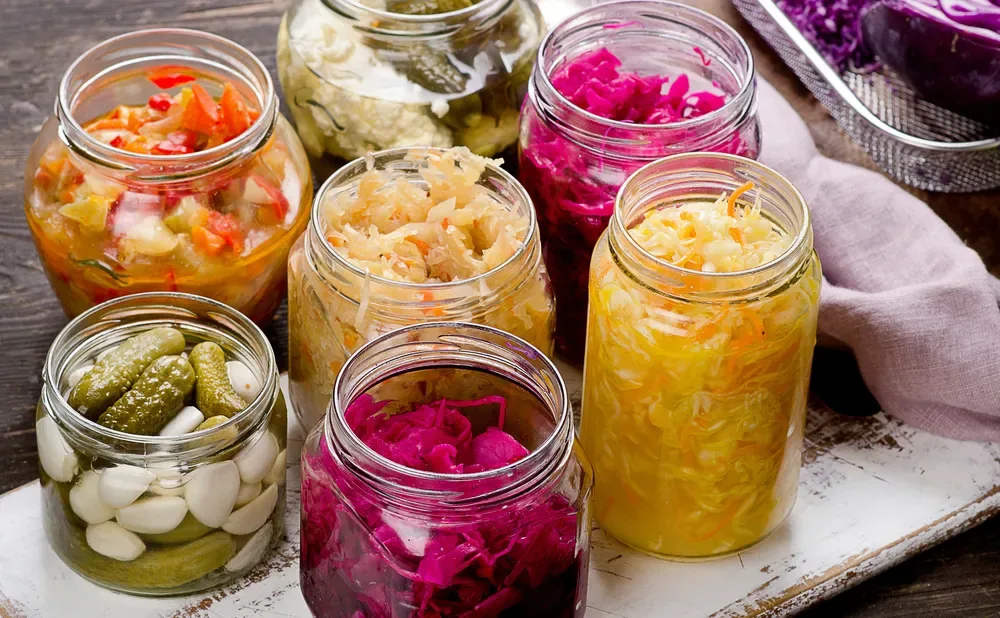
- Naturally fermented vegetables such as sauerkraut or unpasteurised brine pickles
- Kimchi
- Miso and authentic shoyu or tamari sauces
- Tempeh
- Unpasteurised kombucha
When choosing fermented foods, look for products that contain live cultures. Some fermented foods are heated or pasteurised after fermentation, which often remove the live microorganisms.
Prebiotics — feed the good guys
Prebiotics are types of dietary fibre and carbohydrates that aren't fully digested by us but can be used by beneficial microbes in the gut.
In other words, they are food for your gut microbiome.
Good sources include:
- Onions and garlic
- Leeks
- Asparagus
- Green vegetables
- Jerusalem artichokes
- Legumes such as lentils, chickpeas and beans
- Oats and whole grains
- Bananas, particularly slightly greener bananas
- Apples
- Peas
- Avocado
- Cooked and cooled potatoes and rice, which provide resistant starch
This is one of the reasons eating a wide variety of plant foods is so important for gut health. Different types of fibre feed different members of our gut microbial community.
You need both
It isn't really a case of choosing between prebiotics and probiotics. They work beautifully together.
Including a variety of fibre-rich plant foods alongside fermented foods gives your gut microbiome both beneficial microorganisms and plenty of nourishment for the microbes already living there.
And diversity matters. The more varied your diet, particularly your intake of different plant foods, the greater the variety of fibres and plant compounds reaching your gut.
What about the gut and immunity?
Your gut microbiome plays an important role in supporting the immune system, digestion and the integrity of the intestinal barrier.
It also produces a range of metabolites that can influence processes throughout the body, including communication between the gut and brain.
There is growing evidence linking the gut microbiome with mental wellbeing too, although the relationship is complex and we're still learning exactly how it works.
So rather than looking for one magical probiotic food or supplement, think variety, fibre and fermented foods.
What can disrupt your gut microbiome?
Antibiotics are incredibly important medicines when they are needed, but because they target bacteria, they can also alter the community of microorganisms living in your gut.
Overuse or over-reliance on antibiotics can be particularly disruptive, especially when they are taken when they aren't necessary. This is one reason antibiotics should be used appropriately and only when genuinely needed.
Other factors — including a diet low in fibre and plant diversity and high in ultra-processed foods — can also influence the composition and function of the gut microbiome.
This means eating well at least 80% of the time.
Regularly giving your gut plenty of whole, varied, fibre-rich plant foods is a very worthwhile habit.
The aim isn't to avoid antibiotics when you need them. It's to use them wisely while supporting your gut microbiome with plenty of fibre, plant diversity and nourishing foods.
How can you increase your prebiotic and probiotic intake?
Start simply.
Add natural yoghurt or kefir to breakfast. Include onions, garlic, leeks, vegetables, beans or lentils in your meals. Try a little sauerkraut or kimchi alongside lunch or dinner.
And don't forget the humble banana, oats, apple and potato. You don't need exotic ingredients to feed your gut.
One of my favourite combinations is a smoothie made with kefir, banana, berries and oats. Delicious, simple and packed with different types of fibre and beneficial cultures.
The goal isn't to bombard your gut with huge quantities of probiotics.
It's to feed your microbiome well, regularly and with plenty of variety.
After all, your gut is home to a remarkable community of microorganisms. Give the good guys what they need and let nature do the rest.
Frequently Asked Questions
What is the simplest way to remember the difference between prebiotics and probiotics?
Think probiotics = beneficial live microorganisms and prebiotics = food for your gut microbes.
Is yoghurt a probiotic food?
It can be. Choose a natural yoghurt that contains live cultures. Check the label for live or active cultures rather than assuming every yoghurt contains probiotics.
Are fermented foods better than probiotic supplements?
Not necessarily — they serve different purposes. Fermented foods can be a wonderful way of incorporating live cultures alongside a nutritious whole-food diet. Supplements can be useful in particular circumstances, but more isn't automatically better.
Can prebiotic foods cause bloating?
They can, particularly if you suddenly increase your fibre intake. If you're not used to eating lots of fibre, increase it gradually and make sure you're drinking enough fluid. Some people are also more sensitive to particular fermentable carbohydrates.
What is the best thing I can do for my gut health?
Eat a wide variety of whole foods, particularly plants. Include plenty of different sources of fibre, enjoy fermented foods if they suit you, stay hydrated and avoid relying heavily on ultra-processed foods. Your gut doesn't need perfection. It needs variety, nourishment and consistency.
Get healthy eating tips, straight to your inbox
Occasional recipes, updates and offers. Unsubscribe anytime.